
Wan 2.7 vs Seedance 2.0: Which AI Video Model Looks More Cinematic?
Alibaba’s Wan 2.7 vs ByteDance’s Seedance 2.0 — cinematic look, prompt adherence, image-to-video and gem pricing compared.
Alibaba’s Wan 2.7 vs ByteDance’s Seedance 2.0 — cinematic look, prompt adherence, image-to-video and gem pricing compared.
Both HappyHorse 1.0 and Veo 3.1 generate video with synced sound. Hands-on test on dialogue, ambience, music and pricing.
Seedance 2.0 Fast trades a little quality for big speed and price savings. Here’s when to use Fast vs the standard tier.
Wan 2.7 vs Wan 2.5 / 2.5 Plus / 2.5 Pro — feature changes, quality differences, pricing and a practical upgrade guide.
Veo 3.1 and Kling 3.0 are the two best general-purpose AI video models of 2026. Here is which one to pick for your use case.
Flux 2 (Black Forest Labs) and Imagen 4 (Google) are the two photoreal kings of 2026. Test results across 6 prompt classes.

Side-by-side test of Google Veo 3 and Veo 3.1 across motion, audio, and prompt adherence — and the workflow swaps worth making.
Nano Banana 2 is the editing king. Flux 2 is the text-to-image king. Here is when each one wins.
Pixverse V5 and Vidu Q2 both target stylized and reference-driven workflows. Here is which one wins for which use case.
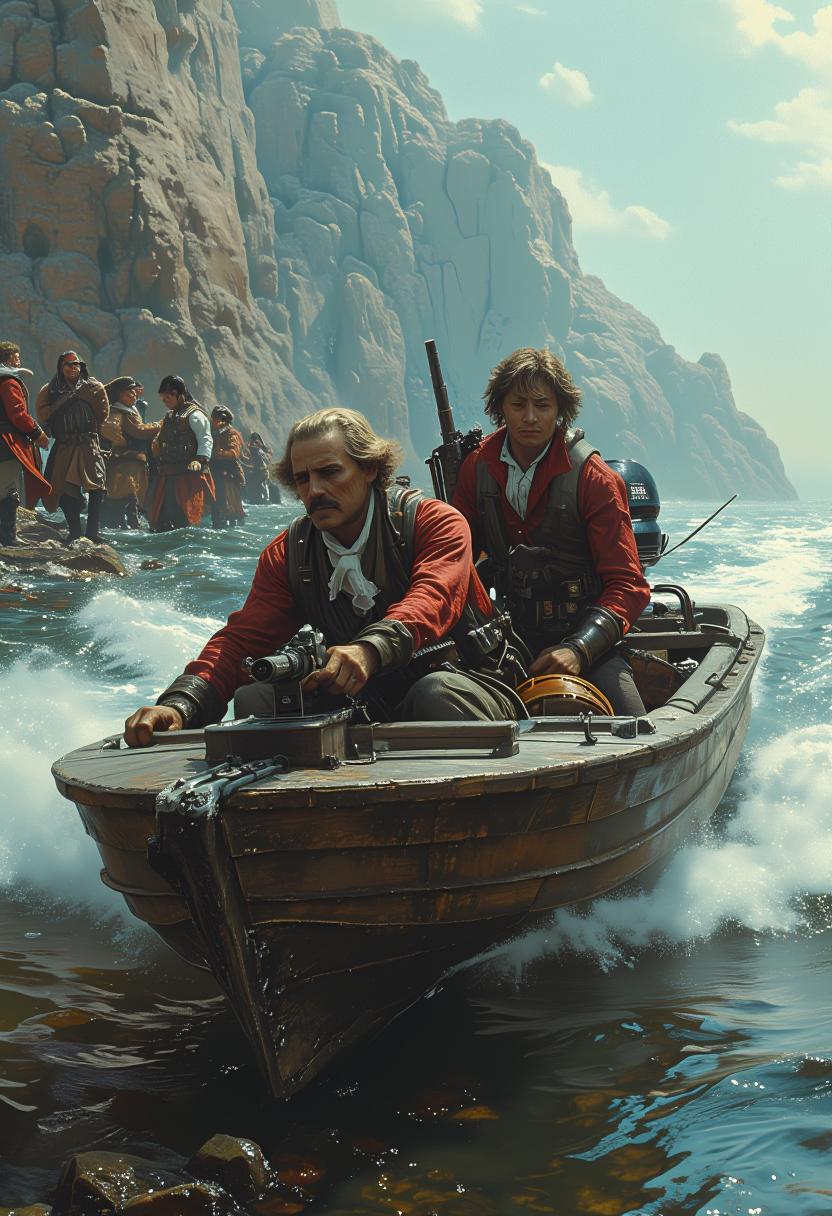
Luma Ray 2 and Runway Gen-4 both target professional creators. Here is where each one wins.

Wan 2.7 closed the quality gap with Veo 3.1 in 2026. Here is whether you should switch.
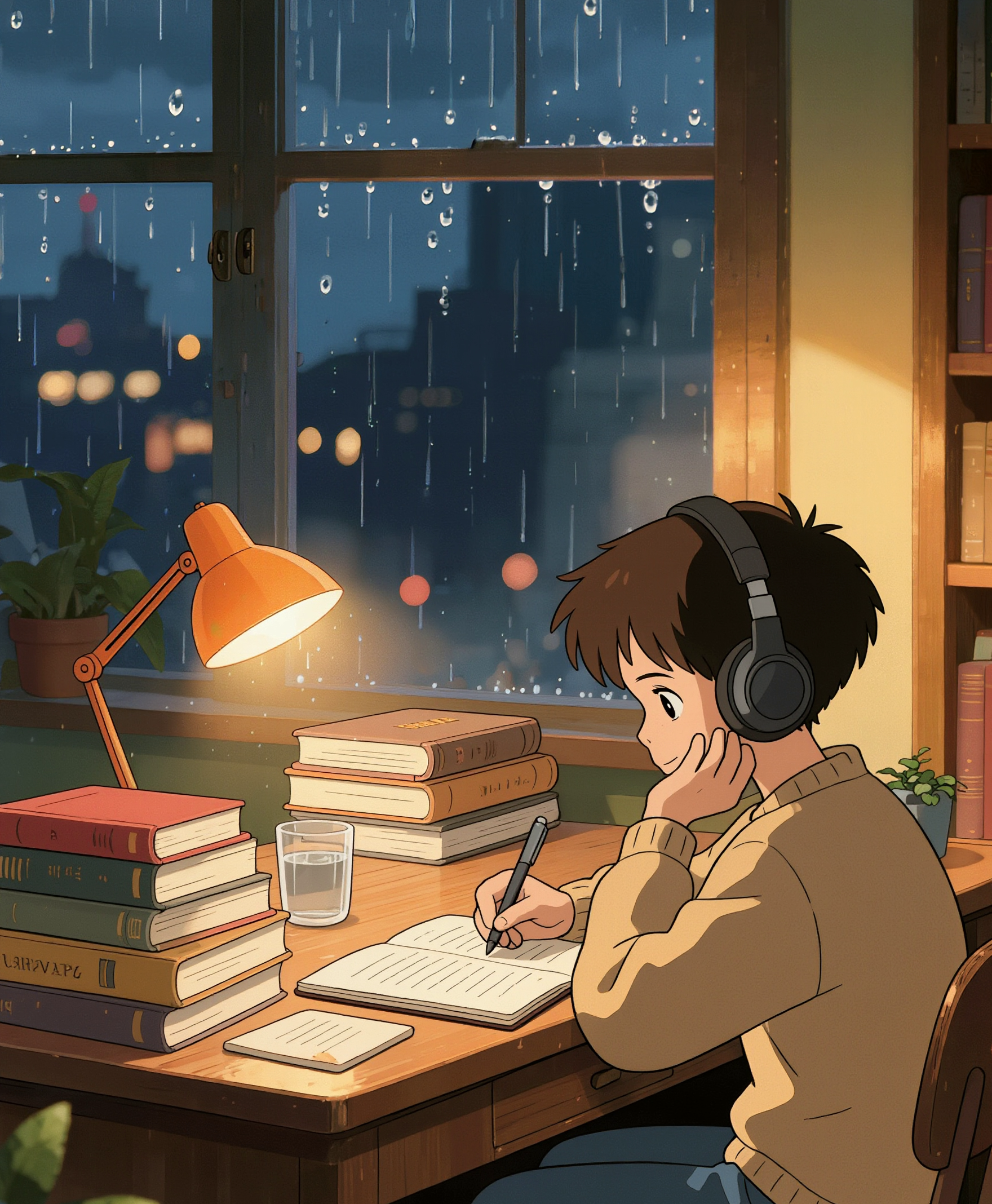
Midjourney still owns aesthetic-first work. Flux 2 wins on prompt adherence. Here is when to use each.