
Kling 3.0 Prompt Guide: 15 Cinematic Prompts (Copy-Paste)
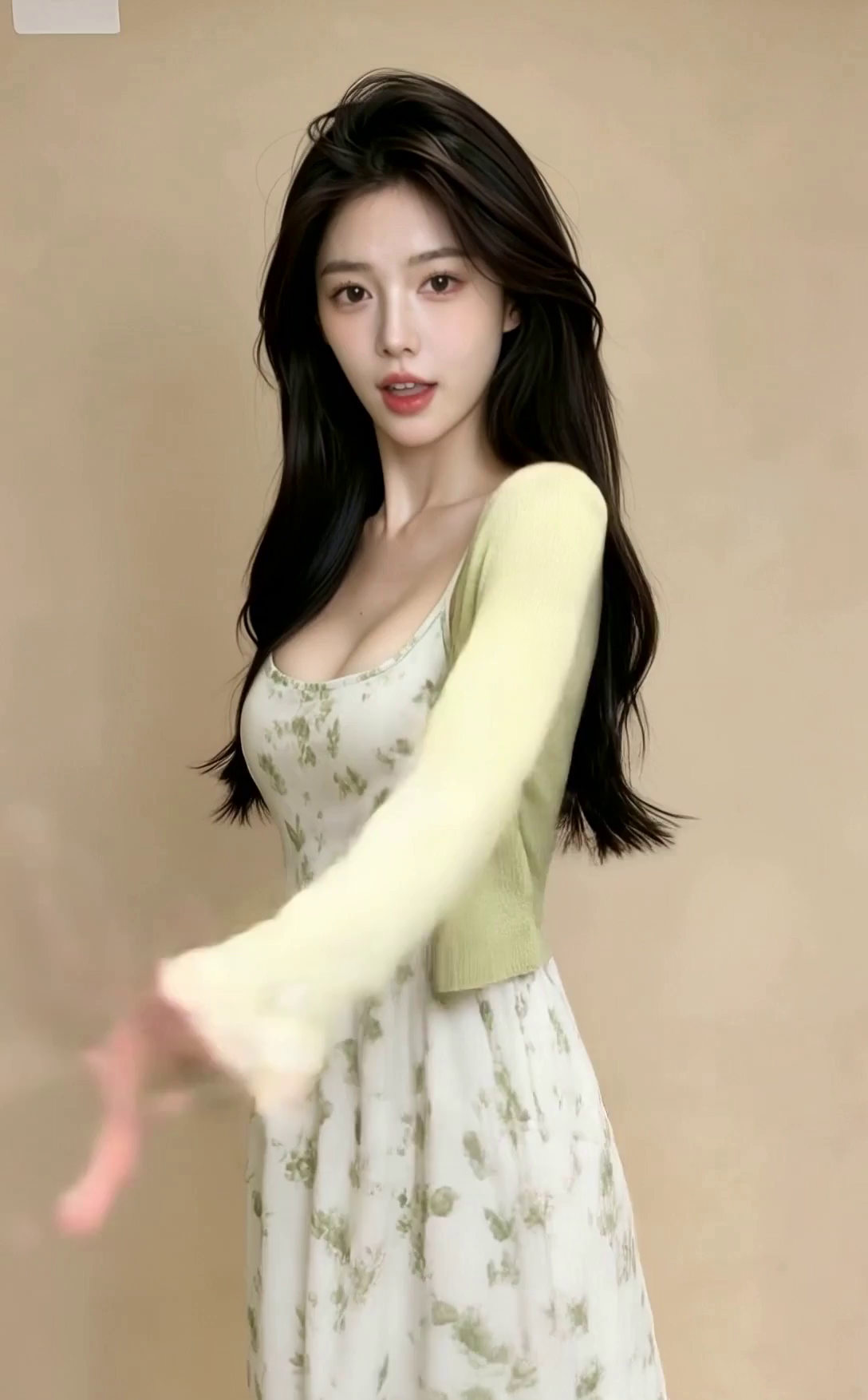
Kling 3.0 rewards precise, shot-based prompts. This guide gives you the formula plus 15 cinematic prompts you can paste straight in.
The Kling 3.0 prompt formula
Subject + Action + Environment + Camera + Lighting + Style, in one tight sentence. Keep it under 60 words for best adherence.
Character scenes
- A detective in a trench coat walks down a rainy neon alley, slow tracking shot from the side, moody cyberpunk lighting, filmic grain.
- A ballerina spins on a dim stage, single spotlight, slow orbit, high-contrast black and white.
- An astronaut turns to face the camera on a red desert planet, slow dolly-in, harsh sunlight, epic sci-fi mood.
Landscape and establishing shots
- Aerial flight over misty mountains at dawn, slow forward push, volumetric light, cinematic scale.
- A lone lighthouse on a cliff during a storm, locked shot, dramatic clouds, cold blue grade.
- Time-of-day change over a city skyline, slow tilt-up, golden hour to blue hour.
Action and motion
- A motorcycle races through a tunnel, chase camera behind, motion blur, high energy.
- Waves crash against rocks in slow motion, static tripod, backlit spray.
- A chef flips a flaming pan, close-up, warm kitchen light, shallow depth of field.
Image-to-video prompts
- Add a slow push-in and gentle wind to hair, keep identity, warm light.
- Orbit slowly around the subject, cinematic depth, evening ambiance.
- Subtle parallax on the background, static subject, dreamy mood.
Pro tips
- Name one camera move, not several.
- Use concrete verbs ("turns and smiles") over abstract ones ("feels happy").
See also our Kling 3.0 prompt walkthrough and hands-on review.